How to Get Pregnant Fast: Expert Tips for Maximizing Fertility
- Written by
- Health Daily Advice
- Updated
- Reading time
- 3 minutes
- Sources
- 1 cited

In this guide
Trying to conceive can feel overwhelming, but understanding your body and optimizing your approach can significantly increase your chances. Here’s a comprehensive guide to help you navigate the journey to parenthood.
1. Master Your Menstrual Cycle: Timing is Key
Track Ovulation for Precision
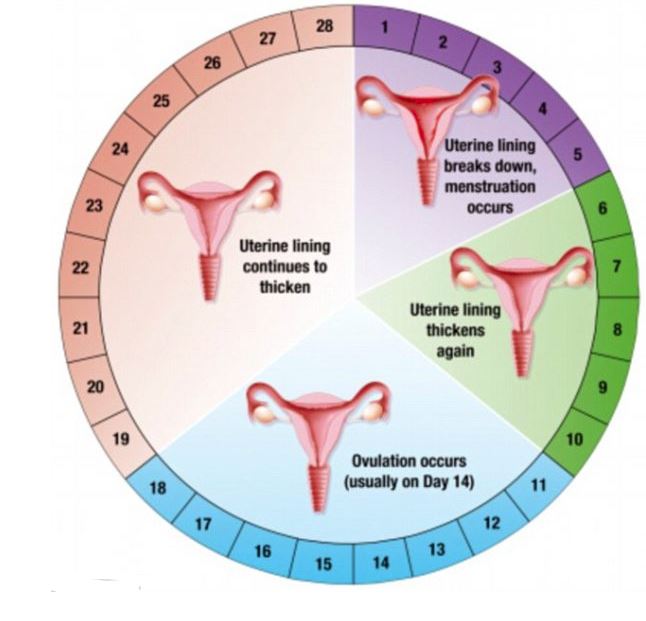
- 28-Day Cycle Basics: Ovulation typically occurs around day 14. The fertile window spans 5 days before ovulation and the day of.
- Optimal Intercourse Schedule: Aim for sex every other day from day 11 to day 17 to align with sperm survival (3–5 days) and the egg’s 12–24-hour viability.
- Why Every Other Day? Daily sex may reduce sperm count, while spacing allows for replenishment without missing the window.
Pro Tip: Use ovulation predictor kits (OPKs) or track basal body temperature (BBT) for accuracy.
2. Lifestyle Tweaks to Boost Fertility
Diet, Exercise, and Stress Management
- Nutrition: Focus on folate-rich foods (leafy greens), zinc (nuts, seeds), and omega-3s (salmon). Avoid trans fats and excess caffeine.
- Weight Management: A BMI of 18.5–24.9 optimizes hormone balance.
- Stress Reduction: High cortisol disrupts reproductive hormones. Try yoga, meditation, or acupuncture.
- Avoid Toxins: Quit smoking and limit alcohol—both impair sperm and egg quality.
Did You Know? A Harvard study found women following a fertility diet had a 66% lower risk of infertility.

3. Sexual Positions and Post-Coital Tips
While no position guarantees success, these may help:
- Missionary or Elevated Hips: Keeps sperm closer to the cervix.
- Avoid Lubricants: Many are sperm-hostile. Opt for fertility-friendly options like Pre-Seed.
- Post-Sex Rest: Lie flat for 15–30 minutes to aid sperm travel.
4. When to Seek Help: Red Flags
Consult a specialist if:
- No success after 12 months of trying (under 35) or 6 months (over 35).
- Irregular cycles, painful periods, or known conditions like PCOS/endometriosis.
Fertility Tests: Hormonal panels, semen analysis, and ultrasound scans can identify barriers.
FAQs: Quick Answers to Common Concerns
While there’s no guaranteed position for conception, some experts suggest missionary position or positions that allow for deep penetration to deposit sperm closer to the cervix may enhance the likelihood of pregnancy.
Regular intercourse, every 2-3 days throughout the menstrual cycle, can optimize the chances of conception. Timing intercourse around the woman’s ovulation period is particularly crucial.
Yes, high stress levels can affect fertility. It’s important to manage stress through relaxation techniques, mindfulness, and maintaining a healthy lifestyle to support the conception process.
Adopting a healthy lifestyle, including a balanced diet, regular exercise, avoiding excessive alcohol and tobacco, and maintaining a healthy weight, can positively impact fertility and increase the chances of getting pregnant.
If couples have been actively trying to conceive for a year without success (or six months for women over 35), it’s advisable to consult a fertility specialist. Earlier consultation may be warranted for individuals with known fertility concerns.
Yes! Chronic stress alters hormones like cortisol and progesterone, delaying ovulation.
Absolutely. Folic acid (400–800 mcg daily) prevents neural tube defects and supports conception.
OPKs are most user-friendly. BBT charting works but requires consistency.
Key Takeaways
- 🗓️ Timing Matters: Target days 11–17 with sex every other day.
- 🥑 Eat Smart: Prioritize fertility-boosting nutrients.
- 🧘 Stay Calm: Stress management is non-negotiable.
- 🩺 Seek Help Early: Don’t hesitate to consult a specialist.
Engage With Us:
Have a success story or tip? Share it below! For more guides, visit Health Daily Advice.

Try the tool
When is your next period and fertile window?
Six cycles ahead from your last period date.
Open the calculator

