High Blood Pressure – Causes, Symptoms and Treatment
- Written by
- Health Daily Advice
- Updated
- Reading time
- 3 minutes
- Sources
- 1 cited
In this guide
Introduction
High blood pressure, or hypertension, is a critical health indicator that reflects the force of blood against the arterial walls. As your heart beats, it propels blood into the arteries, creating what is known as systolic pressure. In the moments between beats, your blood pressure decreases, referred to as diastolic pressure.

Unveiling the Dynamics: High Blood Pressure – Causes, Symptoms, and Treatment
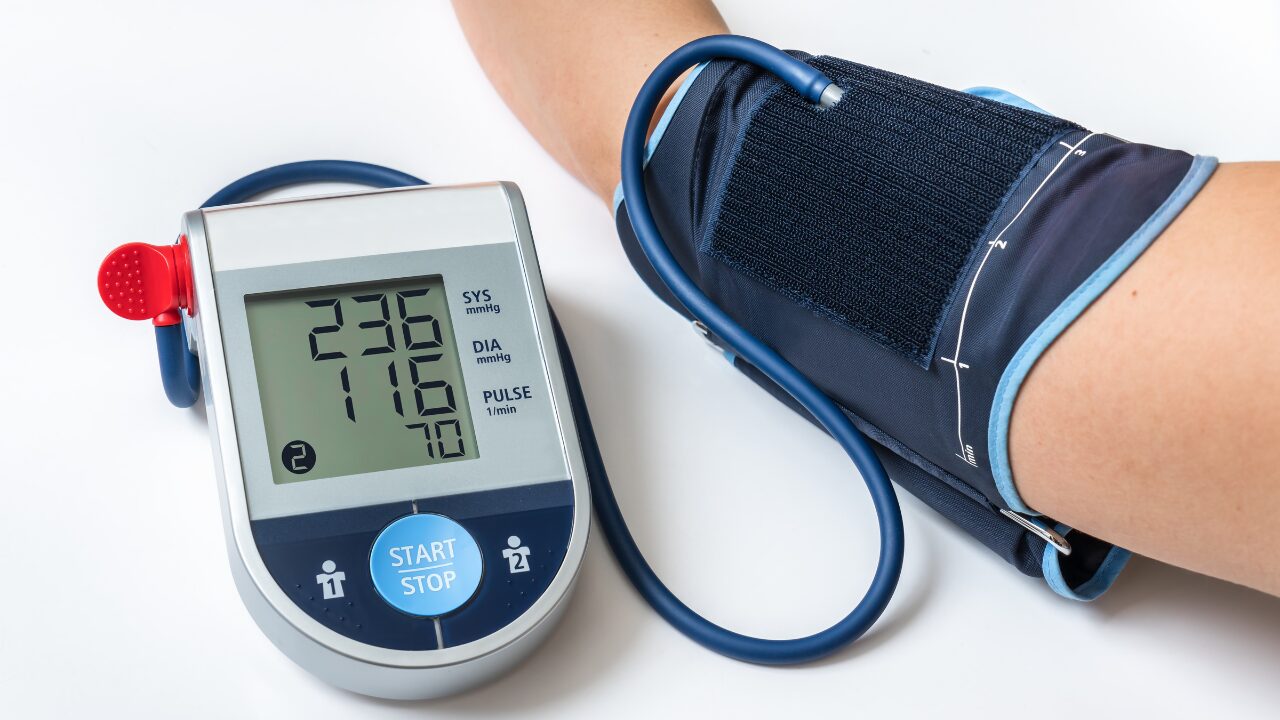
Understanding your blood pressure readings is crucial for managing your health effectively. The readings are presented as two numbers, with the systolic number appearing before or above the diastolic number.
Interpreting Readings:
- Normal Blood Pressure: A reading of 119/79 or lower is considered within the normal range.
- High Blood Pressure: A reading of 140/90 or higher indicates hypertension.
- Prehypertension: Readings between 120-139 for the top number or 80-89 for the bottom number suggest a prehypertensive condition, signaling a potential risk if preventive measures are not taken.
Delving Deeper: Symptoms, Causes, and Treatment Options
Symptoms:
One of the challenging aspects of high blood pressure is its asymptomatic nature. Often, individuals may be unaware of their condition until it leads to more severe health problems.
Causes:
High blood pressure poses a significant risk, potentially resulting in stroke, heart failure, heart attack, or kidney failure. It is imperative to comprehend the factors contributing to this condition, including lifestyle choices and genetic predispositions.
Treatment:
Fortunately, there are effective ways to manage high blood pressure. Adopting a healthy lifestyle, including a balanced diet, regular exercise, and stress management, can play a pivotal role. In cases where lifestyle adjustments are insufficient, medications may be prescribed to regulate blood pressure.
Frequently Asked Questions:
High blood pressure, or hypertension, can result from various factors, including genetics, age, unhealthy lifestyle choices (poor diet, lack of exercise, smoking), stress, and certain medical conditions.
High blood pressure is often referred to as the “silent killer” because it may not cause noticeable symptoms. However, in severe cases or during hypertensive crises, symptoms may include severe headaches, shortness of breath, nosebleeds, and chest pain.
Diagnosis involves measuring blood pressure using a blood pressure cuff. Normal blood pressure is typically considered below 120/80 mm Hg. Elevated blood pressure, hypertension stage 1, and hypertension stage 2 have specific ranges, and diagnosis is made based on repeated measurements.
Lifestyle changes include adopting a healthy diet (DASH diet), regular exercise, weight management, reducing sodium intake, limiting alcohol consumption, and quitting smoking. These changes can contribute to lowering and managing blood pressure.
treatment may involve lifestyle modifications and medications. Medications can include diuretics, beta-blockers, ACE inhibitors, angiotensin II receptor blockers (ARBs), and calcium channel blockers. The choice of treatment depends on individual health factors and the severity of hypertension.
Conclusion: Empowering You to Prioritize Your Health
In conclusion, understanding your blood pressure readings, recognizing potential symptoms, and being aware of the causes and treatment options empower you to take control of your health. By incorporating natural language, addressing the impact of NLP and voice search, and providing valuable information, we strive to make this guide not only informative but also accessible and engaging.
If you found this article helpful, please consider sharing it with others. For more insightful articles on health and wellness, visit our website. Your well-being is our priority.

Try the tool
Not sure if it can wait?
Common causes and warning signs for 16 everyday symptoms.
Open the symptom guide