What are The Risks of Sweating During Surgery?
- Written by
- Health Daily Advice
- Updated
- Reading time
- 2 minutes

In this guide
Introduction
Sweating during surgery is more than just a common occurrence; it might be indicative of a broader issue known as hyperhidrosis. This condition entails excessive sweating triggered by various factors, ranging from anxiety to specific medications and underlying medical conditions. Although sweating, in itself, may not pose immediate harm, its presence during surgery introduces potential complications that warrant careful consideration.
The Culprits: Complications Linked to Sweating
1. Electrolyte Imbalances
When sweating occurs, the body sheds fluids and electrolytes. This loss can disrupt the delicate balance within your body, affecting vital functions such as the heart, muscles, and nervous system.
2. Hypothermia
Sweating contributes to a drop in body temperature, potentially leading to hypothermia. This condition can usher in a host of complications, including low blood pressure, a slowed heart rate, and diminished oxygen levels.
3. Infection Risks
Surgery paired with sweating elevates the risk of infections. Warm, moist environments created by sweating become breeding grounds for bacteria and pathogens, posing significant dangers—especially in surgeries involving medical device implantation, like joint replacements or heart valves.
4. Impaired Wound Healing
Excessive sweating poses a threat to the healing process of surgical wounds. The moisture can lead to wound breakdown, maceration, and an increased vulnerability to infections.
Addressing Concerns: Mitigating Risks
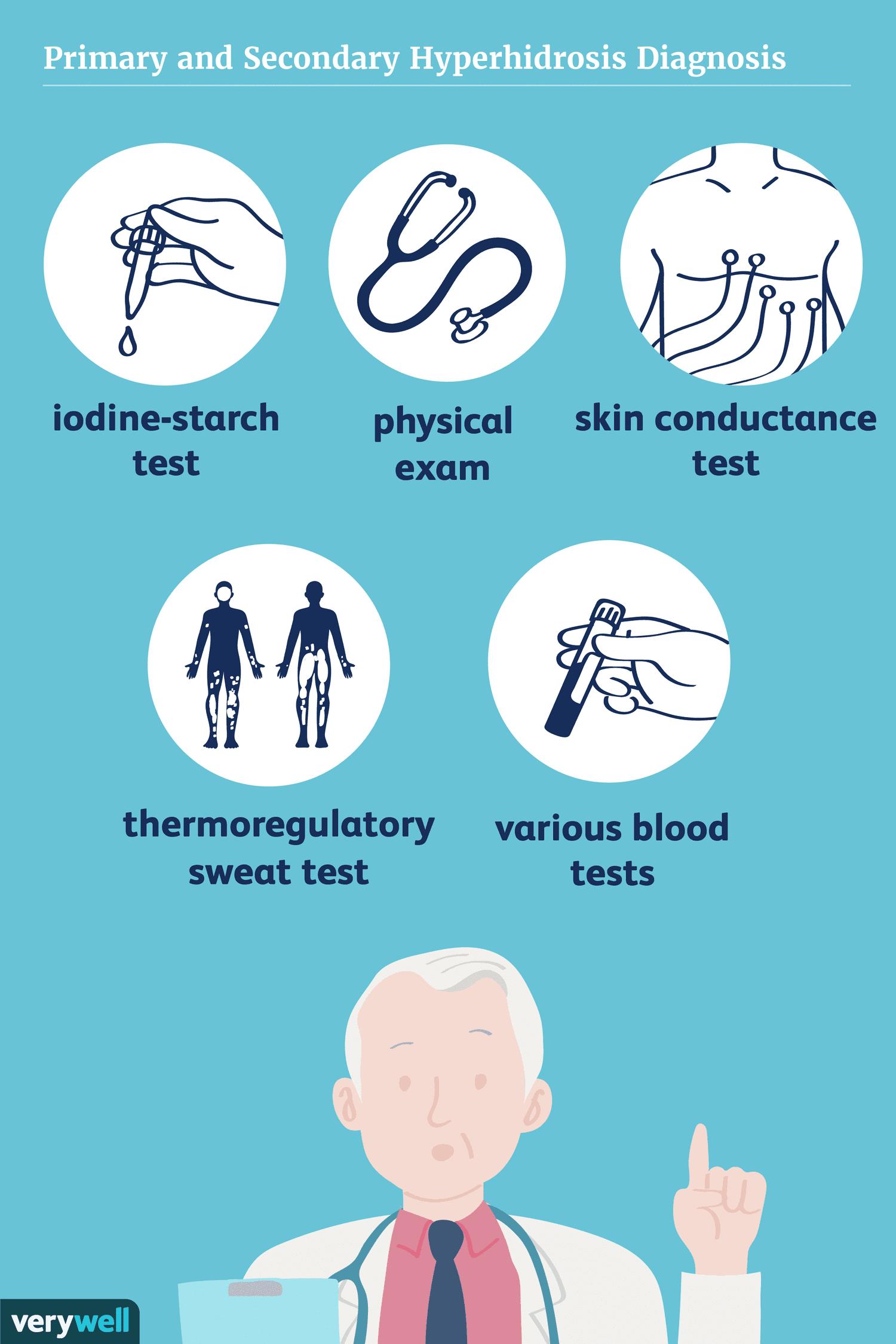
If you find yourself prone to excessive sweating or have a hyperhidrosis diagnosis, proactive measures are crucial. Engage in open communication with your healthcare team before surgery to explore tailored solutions:
- Absorbent Pads: Utilize absorbent pads to manage sweat during the procedure.
- Temperature Adjustment: Collaborate with your medical team to optimize the operating room temperature.
- Medication: Explore medications that can help control sweating during surgery.
Conclusion: Prioritize Dialogue for Safer Surgeries
In conclusion, recognizing and addressing the risks associated with sweating during surgery is pivotal for ensuring a smooth and safe procedure. Prioritize open communication with your healthcare providers to establish a personalized plan that mitigates the impact of excessive sweating on your surgery experience.
Frequently Asked Questions
While complete avoidance may be challenging, proactive measures such as using absorbent pads and adjusting room temperature can help manage sweating.
Yes, healthcare providers may prescribe medications to minimize sweating during surgical procedures.
Not necessarily, but awareness and proactive management are crucial to prevent potential complications.
Join the Conversation: Share Your Experience
What other risks or experiences related to sweating during surgery can you think of? Feel free to share in the comments. Your insights could be valuable to others navigating similar concerns.
If you found this information helpful, share your experiences or let us know in the comments. For more articles related to surgery and health advice, stay tuned to Health Daily Advice and visit Surgery for the latest information on surgical procedures.

Try the tool
Not sure if it can wait?
Common causes and warning signs for 16 everyday symptoms.
Open the symptom guide