What Is Looksmaxxing? The Risks Behind the Trend
Looksmaxxing promises a better face and a better life. Most of it is ordinary self-care — but the extreme end, from steroids to bonesmashing, carries real risks.
- Written by
- Health Daily Advice
- Published
- Reading time
- 6 minutes
- Sources
- 11 cited
In this guide
Looksmaxxing means trying to maximise your physical attractiveness, from ordinary grooming and fitness to surgery, steroids and deliberately injuring your own face. It grew out of incel forums and spread on TikTok, and it is in the news after Hulu’s November 2026 documentary Get Huge. Most of it is harmless self-care, but the extreme end carries real health risks.
What does looksmaxxing mean?
Looksmaxxing is the practice of trying to make yourself as physically attractive as possible. The word was coined on incel message boards in the 2010s, on forums where romantic success was blamed on genetic advantages such as height, a strong jaw and a muscular build. In 2022 and 2023 it moved from those obscure forums onto TikTok, where male creators turned it into a mainstream trend.
At its core is a belief sometimes called the “black pill”: that how you look decides how your life goes. Some looksmaxxing communities even rate faces on a so-called PSL scale, with labels ranging from “subhuman” to “normie” to “Chad”. Commentators describe the scale as pseudoscientific, and the ratings culture itself can be damaging — boys as young as 13 post photos of their faces and bodies to be judged by strangers, and harsh feedback can feed an already negative self-image, according to the Child Mind Institute.
Softmaxxing vs hardmaxxing
Looksmaxxers split their methods into two camps, and the difference between them matters more than anything else in this article.
| Softmaxxing | Hardmaxxing |
|---|---|
| Skincare, grooming and haircuts | Cosmetic surgery and implants |
| Fitness and weight management | Jaw surgery and limb-lengthening surgery |
| Better sleep and posture | Anabolic steroids and SARMs |
| Clothes that fit well | Deliberate starvation (“starvemaxxing”) |
| Teeth whitening, chemical peels | Growth hormones, peptides, skin whitening |
Softmaxxing is mostly ordinary self-care with a new name. As Cleveland Clinic psychologist Dr Susan Albers puts it, “Self-care is a good thing… But it shouldn’t be a full-time job. That’s a red flag.” Hardmaxxing is where the danger sits: surgery, unregulated drugs and self-injury, pursued in the belief that a different face will fix a life that feels stuck.
Why is everyone talking about looksmaxxing now?
Hulu’s three-part true-crime docuseries Get Huge: Looksmaxxing to Death was released on 10 November 2026. Directed by Stacey Lee and executive-produced by Adam McKay, it follows “Dr. Tony Huge” — real name Charles Anthony Hughes, a former bankruptcy lawyer, not a medical doctor — who promotes experimental body-enhancement techniques from Pattaya, Thailand, and was previously investigated by the US Food and Drug Administration for selling unapproved performance-enhancing drugs.
The series follows the deaths of people in Huge’s circle, including influencer Leo Longevity, found dead in a house Huge rented in January 2023, and fitness influencer Connor Murphy, who drowned in Thailand in July 2026. The causes of these deaths have not been established, the cases remain open, and Hughes has not been charged in connection with them. What the series does show clearly is how lonely, impressionable young men can be drawn into a world where changing your body becomes an obsession — and how influencers profit from that insecurity.
What are the risks of looksmaxxing?
The risks depend entirely on which methods are used. Here are the ones doctors are most worried about.
Mewing and jawline chewing
Mewing means holding your tongue flat against the roof of your mouth, lips sealed, breathing through your nose, in the belief that it will reshape your jaw. The American Association of Orthodontists says there is no scientific evidence that mewing reshapes the jawline, and in January 2024 it formally warned against the practice, listing risks of loosened or misaligned teeth, bite problems, tooth wear, speech problems and jaw-joint pain. Chewing hard gum or using jaw exercisers to build a stronger jawline has no proven effect either.
Bonesmashing
Bonesmashing means deliberately striking your own face — cheekbones, jaw, brow — with a fist, a hammer or a bottle, in the hope the bone heals back bigger and more chiselled. It began as a joke on incel forums. Bone remodels under sustained load, not blunt trauma, so there is no scientific basis for it, and the real risks are fractures, bruising and permanent damage. Cleveland Clinic calls it a form of self-harm.
Steroids, SARMs and peptides
Anabolic steroids are the most medically serious part of hardmaxxing. The Mayo Clinic lists their risks in men as breast growth, shrunken testicles, infertility and an enlarged prostate, plus severe acne, tendon damage, liver tumours, high blood pressure, heart problems, anger, depression and dependence. Teenagers who use them may also grow less than they otherwise would.
SARMs — selective androgen receptor modulators such as ostarine and ligandrol — are sold online as a “safer” alternative. They are not. The US Food and Drug Administration warns that SARMs are not approved for human use, cannot legally be sold as dietary supplements or drugs in the US, and have been linked to heart attack, stroke, psychosis, liver injury and acute liver failure, infertility and testicular shrinkage. Cleveland Clinic also lists misused stimulants and sedatives, GLP-1 drugs, diuretics, laxatives, testosterone and unregulated peptides among substances circulating in looksmaxxing spaces.
Extreme dieting
“Starvemaxxing” — deliberately starving yourself to lose face fat — is listed alongside steroids and bonesmashing as a high-risk practice in a 2026 commentary in the Journal of Adolescent Health. Clinicians are advised to screen young people involved in looksmaxxing for disordered eating, eating disorders, nutritional problems and altered growth.
Looksmaxxing and mental health
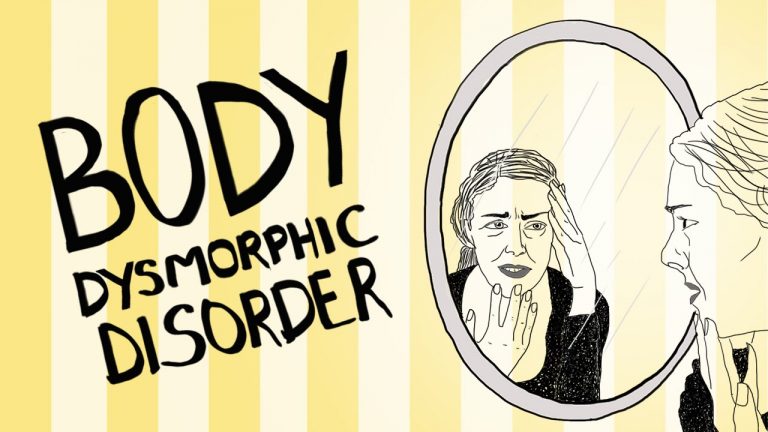
Looksmaxxing sits close to body dysmorphic disorder (BDD), a mental-health condition in which a person spends a lot of time worrying about flaws in their appearance that are often unnoticeable to others. The NHS notes that BDD is most common in teenagers and young adults, affects both men and women, and can lead to depression, self-harm and thoughts of suicide.
The related condition of muscle dysmorphia — a preoccupation with not being muscular enough, combined with obsessive training and strict dieting — was found in a 2025 study of 1,488 boys and men aged 15 to 35 in Canada and the US to affect about 2.8% of them. A separate Canadian study of more than 2,200 adolescents and young adults found 26% of boys and men at clinical risk. Steroid use is also more common than many parents realise: among young men aged 18 to 26 in the US, 2.7% reported using anabolic-androgenic steroids, and 2.9% of US high-school students said they had used steroids without a prescription.
Teenagers are the most vulnerable audience. As Dr Albers told Cleveland Clinic: “Adolescents are incredibly vulnerable to messages like that… They’re in a developmental stage where they’re sensitive about their appearance, fitting in and being liked. And looksmaxxing targets and amplifies those insecurities.” A study of more than 3,000 young men aged 16 to 25 in the US, UK and Australia found nearly two-thirds were regularly engaging with masculinity influencers.
Warning signs looksmaxxing has gone too far
Healthy self-care becomes a problem when it starts to run your life. Watch for a big increase in grooming time, irritability, more time on social media, avoiding social situations or photos, losing sleep over appearance, spending a lot of money or time on beauty and fitness products, repeated reassurance-seeking, or constant mirror-checking. Any of these, especially together, is a reason to talk to someone — and deliberate self-injury, starvation or drug use needs professional help promptly.
Healthier ways to feel better about how you look
The parts of softmaxxing that are genuinely healthy are unglamorous: a balanced diet, regular exercise, enough sleep, basic skincare and sun protection, a good haircut and decent posture. What helps most is not a new jawline but a different relationship with the mirror: question what you see online, remembering that influencers use filters, editing, lighting and undisclosed procedures; set boundaries around social media, since algorithms are designed to hold your attention, not support your mental health; and put time into activities, hobbies and goals that have nothing to do with how you look. Parents can help by reacting with curiosity rather than criticism, looking at the content together, and praising skills and character rather than appearance.
When to see a doctor
See a GP or doctor if worries about your appearance are affecting your daily life — if you avoid social situations, constantly compare yourself with others, lose interest in hobbies, check mirrors excessively, lose sleep, or use substances to change how you look. If you think you may have body dysmorphic disorder, a GP can refer you for talking therapy such as CBT, and sometimes medication. If you are deliberately injuring yourself, starving yourself or using steroids or unregulated drugs, get medical advice as soon as possible, and be honest about what you have taken — doctors are there to help, not to judge.
If you are struggling with your mental health, support is available at Health Daily Advice: Get Help Now.
In an emergency call 911 (US), 999 (UK) or 112 (EU).
Frequently asked questions
What does looksmaxxing mean?
Looksmaxxing means trying to maximise your physical attractiveness. It ranges from ordinary self-care such as skincare, haircuts and fitness — called softmaxxing — to surgery, steroids and self-injury, called hardmaxxing. The term started on incel forums in the 2010s and spread on TikTok in 2022–23.
Is looksmaxxing dangerous?
It depends on the methods. Grooming, exercise and sleep are harmless. But bonesmashing can fracture facial bones, steroids can cause infertility, liver damage and heart problems, and deliberate starvation can lead to eating disorders. The danger sits at the extreme end, not in ordinary self-care.
Does mewing actually change your jawline?
There is no scientific evidence that mewing — holding your tongue against the roof of your mouth — reshapes the jaw. The American Association of Orthodontists warned against it in 2024, saying it can loosen or misalign teeth, cause bite problems, tooth wear, speech problems and jaw-joint pain.
What is bonesmashing?
Bonesmashing is deliberately hitting your own face with a fist, hammer or bottle, in the hope the bone heals back bigger and more chiselled. It began as a joke on incel forums. There is no scientific basis for it, and the real risks are fractures, bruising and permanent damage. Cleveland Clinic describes it as a form of self-harm.
What is the Hulu looksmaxxing documentary called?
The series is called Get Huge: Looksmaxxing to Death. The three-part true-crime docuseries, directed by Stacey Lee and executive-produced by Adam McKay, was released on Hulu on 10 November 2026. It follows biohacking influencer Tony Huge and the deaths of people in his circle, including Leo Longevity and Connor Murphy.
Sources
- Cleveland Clinic: Looksmaxxing health.clevelandclinic.org
- Child Mind Institute: Looksmaxxing and Its Impact on Boys childmind.org
- NHS: Body dysmorphia www.nhs.uk
- Mayo Clinic: Performance-enhancing drugs www.mayoclinic.org
- FDA: FDA Warns About SARMs Among Teens and Young Adults www.fda.gov
- American Association of Orthodontists: Is Mewing Bad for You? aaoinfo.org
- MedicalXpress: Looksmaxxing commentary, Journal of Adolescent Health 2026 medicalxpress.com
- The Playlist: Get Huge: Looksmaxxing to Death trailer theplaylist.net

Try the tool
How have you felt over the last 2 weeks?
The PHQ-9 and GAD-7 that GPs use. Private, about 3 minutes.
Start the self-check