What is Body Dysmorphic Disorder?
- Written by
- Health Daily Advice
- Updated
- Reading time
- 3 minutes
- Sources
- 1 cited

In this guide
Introduction
Anxiety is one of the major symptoms of body dysmorphic disorder.
This condition is also known as ( BDD ) and is a serious anxiety disorder. None of us are completely happy with the way we look. While some of you don’t like your nose, others are not greatly happy with the shape of your lips. And though you fret about these things all the time, it does not affect your daily lives, right?

OK, so before I tell you more about today’s topic, let’s talk a bit about body types. Body types almost always influence how you respond to your diet and exercise.
And Female body Types into:
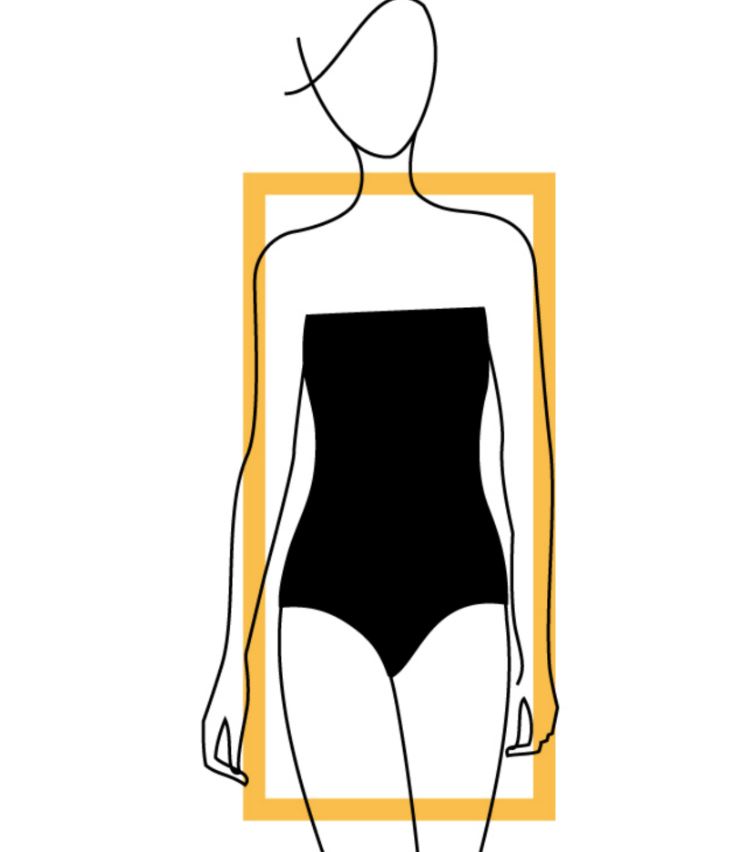
1. Straight Body Type Female
women with same-sized busts and hips,
2. Spoon Body Type Female
Women with hips larger than busts,
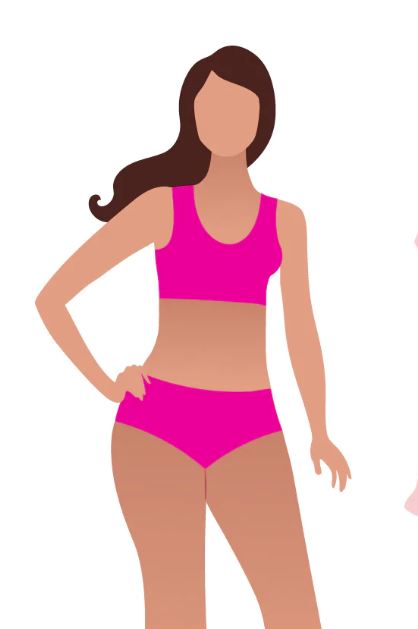
3. Pear Body Type Female
Women with busts smaller than hips,
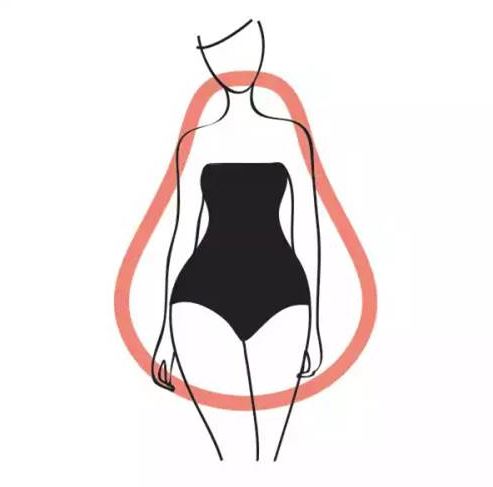
4. Hourglass Body Type Female
Women with well-defined waists and same-sized busts and hips,
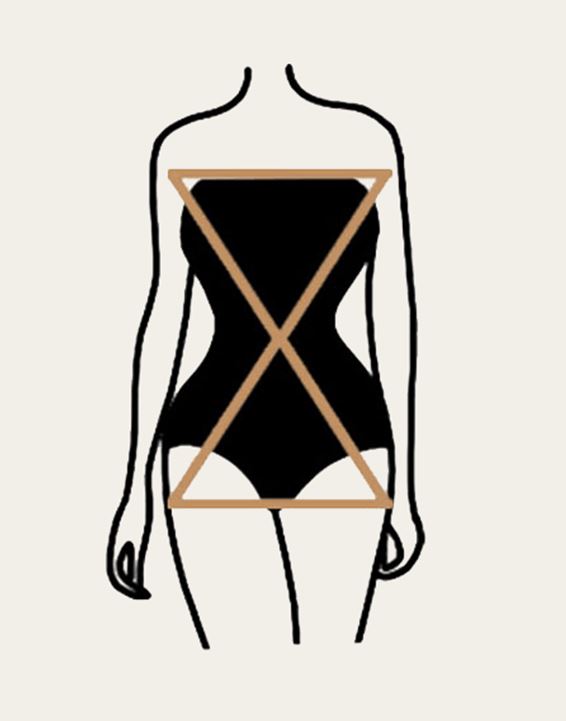
5. Oval Body Type Female
Women with narrow hips, waist larger than bust and hips.

So, now that you’ve learned more about body types,
have you ever actually analyzed your body on these lines?
No, right? Well, normally most people won’t.
However, some worry about their flaws or what they consider flaws for hours every day. This is a condition called body dysmorphic disorder (BDD). People with this disorder have no control over their mostly negative thoughts. They find fault with their hair, skin, nose, chest, or stomach.
These negative thoughts cause so much stress that they suffer from low self-esteem and alienate themselves from family, friends, and social situations.
In severe cases, people with this disorder may even go through plastic surgeries to correct their perceived imperfections.
Symptoms:

Those suffering from BDD display most of these symptoms:
- Too much exercising
- Checking in the mirror or avoiding it altogether
- Too many surgeries
- Picking the skin
- Excessive grooming
- Comparing themselves with others’ bodies,
So, if any of your friends or family members are unreasonably obsessed with their bodies or talk incessantly about non-existent imperfections, it would be a good idea to seek medical help!
FAQs
Body Dysmorphic Disorder is a mental health condition characterized by an obsessive focus on perceived flaws or defects in physical appearance, which are often minor or imagined. Individuals with BDD may engage in repetitive behaviors or mental acts to address these concerns.
Common symptoms include excessive preoccupation with appearance, frequent checking of the perceived flaws in mirrors or other reflective surfaces, seeking reassurance about one’s appearance, and engaging in rituals or repetitive behaviors (e.g., grooming, skin picking) to alleviate distress.
BDD goes beyond normal concerns about appearance. The distress and preoccupation in BDD are excessive, time-consuming, and often interfere significantly with daily functioning. The perceived flaws are typically exaggerated or not noticeable to others.
The exact cause of BDD is unknown, but it is believed to involve a combination of genetic, neurobiological, and environmental factors. Traumatic experiences, societal pressures, and a history of childhood teasing or bullying may contribute.
Treatment for BDD often involves a combination of cognitive-behavioral therapy (CBT), specifically a form called exposure and response prevention (ERP), and medication such as selective serotonin reuptake inhibitors (SSRIs). Seeking support from mental health professionals is crucial for proper diagnosis and treatment.

Try the tool
How have you felt over the last 2 weeks?
The PHQ-9 and GAD-7 that GPs use. Private, about 3 minutes.
Start the self-check