8 Signs That Someone May Need Help
- Written by
- Health Daily Advice
- Updated
- Reading time
- 2 minutes
- Sources
- 3 cited
In this guide
Introduction:
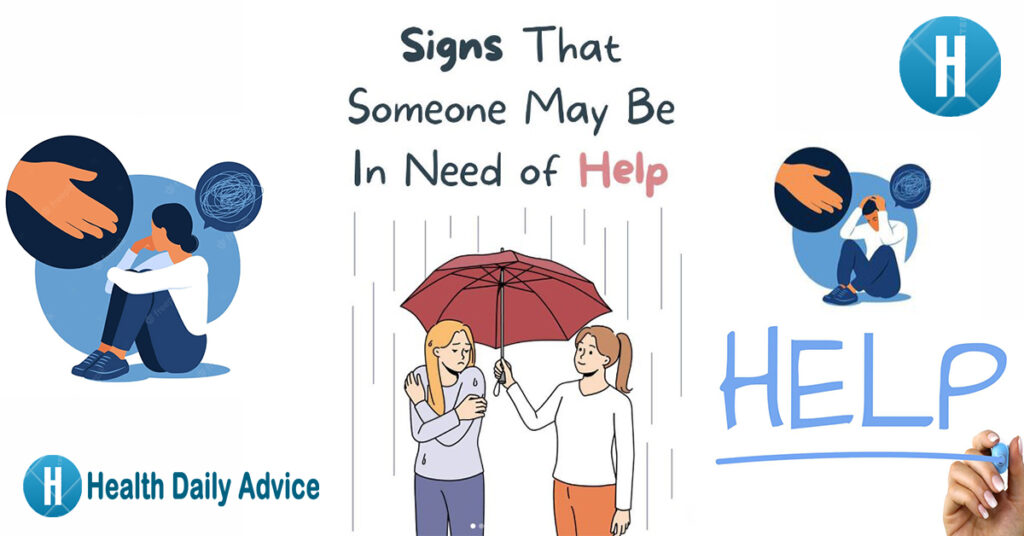
In this post, we delve into the subtle cues that may indicate someone in your life is silently calling out for help. It’s crucial to decipher these signs, as they can be the lifeline someone desperately needs. In this discussion, we’ll explore the 8 key indicators that someone may need assistance.
Understanding what ‘help’ entails is multifaceted. It might involve seeking professional therapy, having open conversations, or offering practical support in various aspects of life. Often, those in need may not explicitly express it. Recognizing these signs and approaching the situation with sensitivity can make a significant difference.

8 Signs That Someone May Need Help:
1. Apologizing for Every Little Thing:
Apologizing profusely for things even when it’s not their fault or they didn’t even do anything wrong.
2. Mistrust Towards People
They mistrust people they would usually confide in, feeling that the world is out to get them.
3. Easily Agitated or Angered:
They become easily agitated or angered when they weren’t before but feel bad afterward and try and make up for it.
4. Lack of Interest and Joy:
Losing interest in activities that once brought them joy.
5. Agoraphobia:
They withdraw from social situations even with people they love or get scared of places with lots of people (agoraphobia).
6. Drop in Standards:
Demonstrating a decline in performance at work or school despite previous capabilities.
7. Irregular Eating Habits:
Experiencing a loss of appetite and irregular eating patterns.
8. Neglecting Personal Care
Neglecting personal hygiene, appearance, or displaying a decline in self-care
The Importance of Recognizing and Addressing These Signs:
People grappling with internal struggles often find it challenging to vocalize their distress. A simple act of checking in or offering a moment of kindness can be invaluable. These gestures, costing nothing, can brighten their day, especially when they feel isolated or beleaguered by life’s challenges.
Frequently Asked Questions:
Choose a private and comfortable setting, express concern genuinely, and offer support without judgment
Yes, numerous helplines cater to mental health emergencies, including the WHO’s suicide prevention site.
Participate in awareness campaigns, educate others, and support local mental health initiatives.

Conclusion:
Acknowledging the signs that someone may need help is the first step in making a positive impact. Small acts of kindness, coupled with a genuine interest in someone’s well-being, can create a supportive environment. Let’s continue the conversation and share our experiences in the comments below.
For more in-depth articles on understanding suicide and supporting mental health, stay tuned to Health Daily Advice. Visit reputable sources like WHO for the latest information, and if you encounter a suicidal situation, reach out to the nearest helpline. Let’s prioritize mental health and contribute to a compassionate and informed society. and for Suicide Prevention Also Visit The suicide Prevention Site.

Try the tool
How have you felt over the last 2 weeks?
The PHQ-9 and GAD-7 that GPs use. Private, about 3 minutes.
Start the self-check

