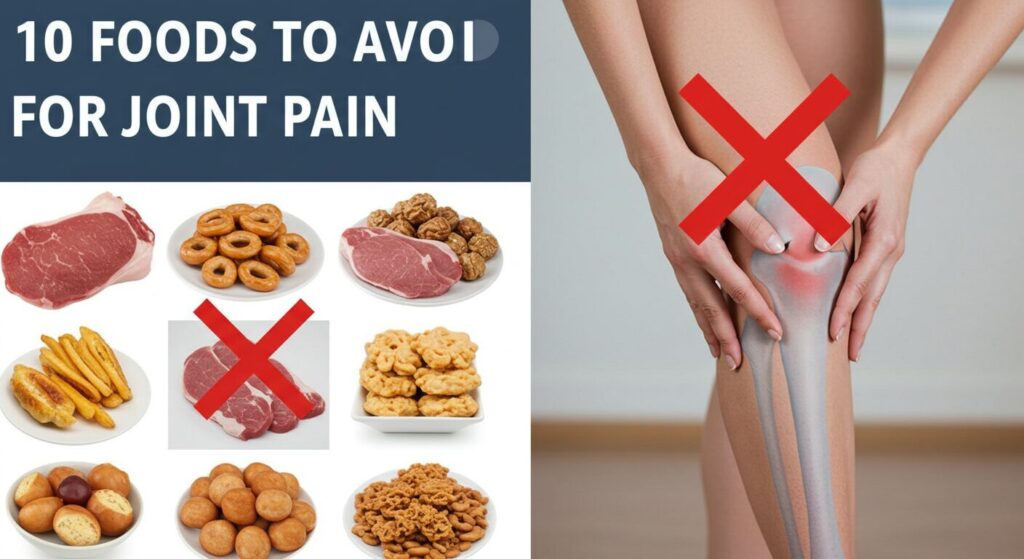
10 Foods to Avoid for Joint Pain: Reduce Inflammation and Discomfort
- Written by
- Health Daily Advice
- Updated
- Reading time
- 3 minutes
In this guide
Joint pain can disrupt daily life, leading to soreness, stiffness, and reduced mobility. While factors like arthritis, injuries, or chronic conditions often contribute, diet plays a significant role in managing symptoms. Certain foods trigger inflammation, worsening joint pain. Below, we reveal the top 10 foods to avoid if you struggle with joint discomfort, along with healthier alternatives.
Why Does Diet Affect Joint Pain?
Inflammatory foods increase swelling and oxidative stress, aggravating conditions like arthritis, gout, or lupus. Conversely, anti-inflammatory diets rich in omega-3s, antioxidants, and fiber can alleviate symptoms. Avoiding the following foods helps reduce flare-ups and supports long-term joint health.
10 Worst Foods for Joint Pain
1. Eggs
Egg yolks contain arachidonic acid, which converts to inflammation-causing prostaglandins. The saturated fat in yolks also exacerbates swelling.
Tip: Opt for egg whites or plant-based protein sources like chia seeds for breakfast.
2. Dairy Products
High levels of casein protein and saturated fats in cheese, milk, and butter irritate joint tissues.
Swap: Choose almond milk, soy products, or oat milk for a gentler alternative.
3. Beer
Alcohol, especially beer, raises uric acid levels due to its purine content, increasing gout risk. Gluten in beer also harms sensitive joints.
Tip: Replace beer with herbal teas or tart cherry juice for anti-inflammatory benefits.
4. Corn Oil
Corn oil is high in omega-6 fatty acids, which promote inflammation when consumed excessively.
Better Choice: Use olive oil or avocado oil, rich in anti-inflammatory omega-3s.
5. Refined Table Salt
Processed salt disrupts fluid balance and leaches calcium from bones.
Swap: Use Himalayan pink salt or sea salt in moderation, and avoid salty snacks.
6. Whey Protein
Casein in whey increases uric acid, worsening gout. Gluten-sensitive individuals may experience heightened inflammation.
Alternative: Try pea protein or lentil-based powders for a joint-friendly option.
7. Red and Processed Meats
These meats contain purines and advanced glycation end products (AGEs), which drive inflammation. Studies link red meat to higher rheumatoid arthritis risk.
Tip: Substitute with fatty fish (like salmon) or plant proteins like beans and lentils.
8. Refined Grains and Flour
White bread, pasta, and rice spike blood sugar, increasing AGE production. Their low nutrient content also weakens immunity.
Swap: Choose whole grains like quinoa or brown rice for sustained energy and fiber.
9. Added Sugars and Artificial Sweeteners
Sugary foods trigger cytokine release, worsening inflammation. Excess sugar also contributes to weight gain, stressing joints.
Better Options: Sweeten dishes with raw honey, dates, or stevia.
10. Monosodium Glutamate (MSG)
This additive in processed foods heightens inflammation, particularly in rheumatoid arthritis patients.
Tip: Cook fresh meals at home using herbs and spices for flavor.

FAQs: Managing Joint Pain Through Diet
Yes, some foods can contribute to inflammation, potentially worsening joint pain. Identifying and avoiding these foods may help manage discomfort.
Processed foods often contain unhealthy fats and additives that can trigger inflammation, aggravating joint pain. Choosing whole, unprocessed foods is generally a better option for joint health.
While natural sugars in moderation are generally fine, added sugars found in sugary beverages and processed foods can contribute to inflammation. Limiting added sugars may help alleviate joint pain.
Yes, high consumption of red and processed meats has been linked to increased inflammation, potentially exacerbating joint pain. Choosing leaner protein sources like fish or plant-based alternatives may be beneficial.
Diet plays a crucial role in inflammation, and certain foods can either promote or alleviate joint pain. Being mindful of your food choices can contribute to overall joint health and well-being.
Final Thoughts
Avoiding inflammatory foods is crucial for managing joint pain. Focus on whole, unprocessed ingredients and omega-3-rich options to support mobility and reduce discomfort. For more health tips, visit Health Daily Advice.
Share this article to help others discover joint-friendly dietary changes!

Try the tool
Not sure if it can wait?
Common causes and warning signs for 16 everyday symptoms.
Open the symptom guide