Yin Yoga for Mental Health – A Guide to Relaxation & Mindfulness
- Written by
- Health Daily Advice
- Updated
- Reading time
- 5 minutes
In this guide
Mental health challenges are on the rise, with stress, anxiety, and depression affecting millions globally. While traditional therapies like counselling and medication remain prevalent, complementary practices such as yoga are increasingly recognised for their mental health benefits. One particular yoga practice, Yin Yoga, has gained substantial attention for its unique approach to relaxation and mindfulness.
This comprehensive guide explores the principles of Yin Yoga, its mental health benefits, and practical methods to integrate this practice into wellbeing routines. By the end, readers will understand the profound impact of Yin Yoga on mental health and how it could transform their day-to-day lives.
Understanding Yin Yoga and Its Principles
Yin Yoga is a slow-paced, introspective yoga practice rooted in the principles of Traditional Chinese Medicine (TCM) and ancient yogic teachings. Unlike more dynamic yoga styles such as Vinyasa or Power Yoga, Yin Yoga emphasises stillness, patience, and deep connection with the body.
Typically, practitioners hold poses for extended periods, ranging from 1 to 5 minutes or longer. These poses target the connective tissues—ligaments, tendons, and fascia—promoting flexibility and circulation. Additionally, Yin Yoga directly impacts the meridian system, an energy framework within TCM, facilitating a balance of physical and emotional health.
Central principles of Yin Yoga include the following:
- Stillness: Minimising movement to cultivate calmness.
- Holding Poses: Extended holds encourage a physical and emotional release.
- Targeted Stress: Applying gentle stress to deep tissues to enhance flexibility and rejuvenation.
- Mindful Awareness: Focusing on breathing and mental presence during each pose.
This focus on stillness and mindfulness makes Yin Yoga particularly potent for addressing mental health struggles.
The Connection Between Yin Yoga and Mental Health
Scientific and anecdotal evidence increasingly highlights the link between Yin Yoga and improved mental health. Practising this style of yoga engages the parasympathetic nervous system, often referred to as the “rest and digest” system. This activation helps mitigate the effects of prolonged stress, facilitating relaxation and emotional equilibrium.
The extended pose holds, combined with emphasised breathing techniques, create a meditative environment that can encourage psychological healing. Furthermore, the practice’s focus on mindfulness introduces opportunities to gain introspective clarity, a tool often essential in managing anxiety and depression.
Below, we explore the specific mechanisms through which Yin Yoga influences and supports mental health.
Stress Reduction Techniques in Yin Yoga
Prolonged Exposure to Stillness
Holding poses in Yin Yoga allows the body to release pent-up tension stored in muscles and connective tissues. Simultaneously, this extended stillness invites the mind to shift from a state dominated by rapid thoughts to one of slower, reflective processing.
Breathwork Integration
Yin Yoga commonly incorporates techniques such as diaphragmatic or “belly” breathing. This form of controlled breathing activates the vagus nerve, which reduces heart rate and blood pressure—physiological markers typically elevated in individuals experiencing chronic stress.
Lowering Cortisol Levels
Some studies demonstrate that yoga practices, especially those with a restorative focus like Yin Yoga, can significantly lower cortisol levels. Cortisol, the body’s primary stress hormone, is directly linked to chronic stress and anxiety when excessively elevated.
Enhancing Mindfulness and Meditation Through Yin Poses
Yin Yoga provides an entry point into mindfulness due to its steady and deliberate pace. Holding poses creates an enforced pause where individuals can focus solely on their breath and bodily sensations.
This mindful presence facilitates a “flow state,” where the practitioner becomes fully immersed in experiencing the current moment. Such states have been associated with reduced symptoms of stress-related illnesses, including anxiety disorders.
By integrating meditation elements into yoga, Yin encourages practitioners to strengthen their ability to redirect attention, a skill critical in breaking cycles of rumination commonly seen in mental health conditions like depression.
Impact on Anxiety and Depression
Reducing Anxiety Symptoms
Research suggests that slow, mindful practices such as Yin Yoga can reduce the physiological symptoms of anxiety—such as rapid heartbeat, shallow breathing, and muscle tension. The slow, consistent movements paired with meditative breathing act as a natural remedy to recalibrate the nervous system’s stress response.
Alleviating Depression
Practicing Yin Yoga may assist in producing neurochemical changes in the brain. By lowering cortisol and increasing endorphins (“feel-good” hormones), Yin Yoga fosters an emotional uplift. It also adds structure and routine to an individual’s day—two factors crucial for those battling depressive symptoms.
Real-life Stories of Yin Yoga’s Benefits
The following testimonials illustrate how Yin Yoga has significantly enhanced individuals’ mental wellbeing:
- Anna, 34
“After suffering from workplace burnout, I turned to Yin Yoga upon a friend’s recommendation. Within a month, my sleep patterns improved, and the anxiety episodes I typically had before bed began to diminish.”
- Mark, 41
“I’ve struggled with anxiety my entire adult life. Regular Yin Yoga practice taught me how to breathe through difficult emotions and find moments of calm in my day.”
These accounts underscore Yin Yoga’s practical value as a mental health tool.
How to Incorporate Yin Yoga into Your Mental Health Routine
Integrating Yin Yoga into a mental health regimen involves a consistent and gradual approach. Here’s how to get started:
1. Start Small
Dedicate 15–20 minutes, 2–3 times per week. Over time, gradually increase the session duration as your body adjusts to the practice.
2. Create a Dedicated Space
Choose a quiet, serene environment free of distractions. Comfortable yoga mats, dim lighting, and soft music can enhance the experience.
3. Explore Guided Classes
Begin with online tutorials or in-person classes led by certified instructors. Following structured guidance ensures proper technique and posture alignment.
4. Focus on Poses for Mental Clarity
Recommended poses for mental health include:
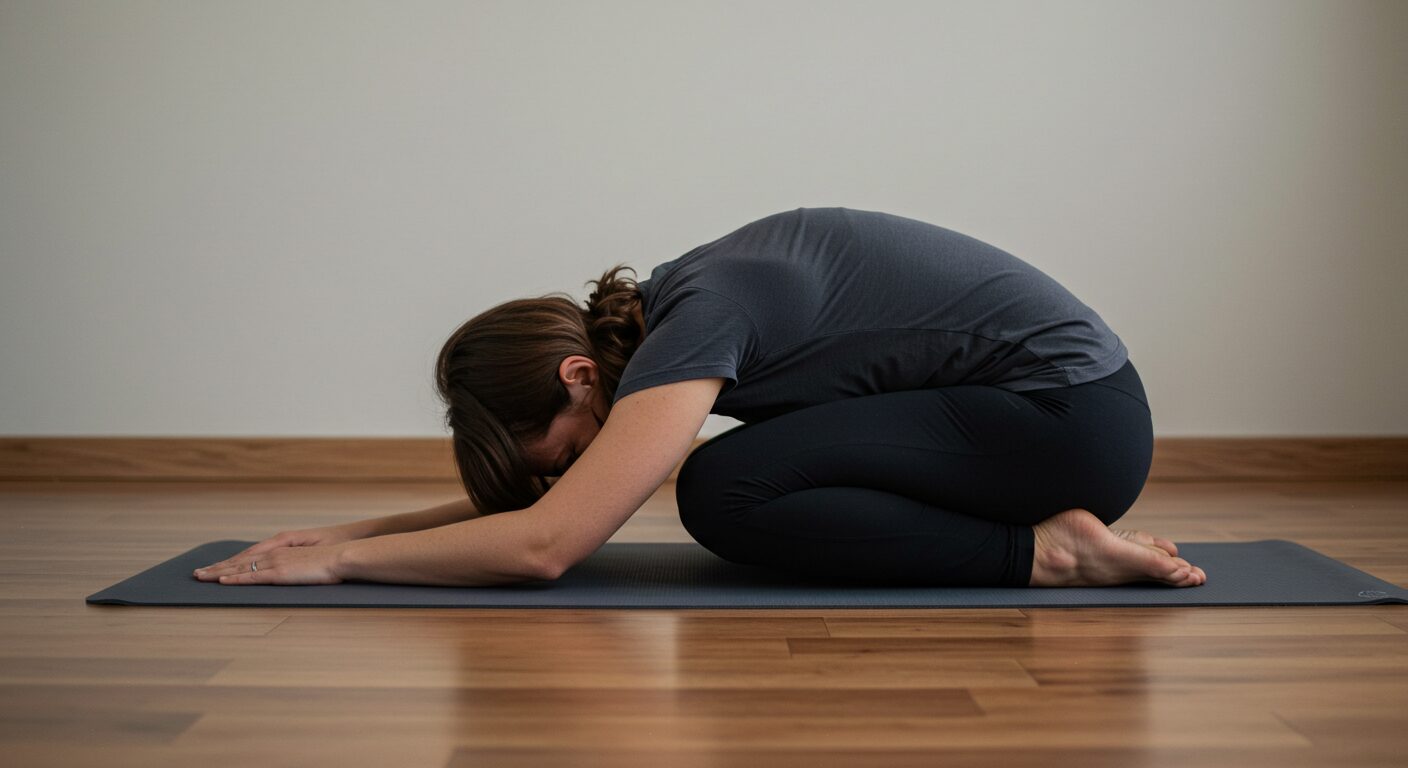
- Child’s Pose (Balasana)
- Butterfly Pose (Baddha Konasana)
- Reclining Twist Pose (Supta Matsyendrasana)
Each pose enhances relaxation and introspective mindfulness.
5. Pair with Journaling
Post-practice journaling enhances reflection and solidifies the emotional release experienced during your Yin Yoga session.
Rejuvenate Your Mind Through Yin Yoga
Yin Yoga serves as a powerful, low-impact practice aimed toward reducing stress, promoting mindfulness, and improving overall mental health. With an emphasis on stillness and introspection, it provides both physical and emotional benefits.
Whether you’re a mental health enthusiast or yoga novice, exploring this practice could unlock new levels of peace and clarity in your life. Why not start today?
Do you practise Yin Yoga for mental health benefits? Share your experiences in the comments or on social media using #YinYogaMindfulness—and join the growing community of wellness seekers discovering the magic of Yin.
Note:
So in This Post, Yin Yoga for Mental Health What points do you think have experienced? Let me know in the comments.
If you found this helpful feel free to share your experience if you can relate to these points and if you are comfortable to share
For More Articles Related to Mental Health Stay Tuned To our Site

Try the tool
How have you felt over the last 2 weeks?
The PHQ-9 and GAD-7 that GPs use. Private, about 3 minutes.
Start the self-check